
Why Does Pneumonia Sometimes Look Different in Older Adults?
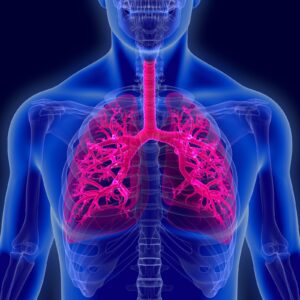
Senior home care helps families spot early pneumonia symptoms and support senior health.
Pneumonia is an infection in the lungs that causes inflammation, pain, coughing, and fever. It’s a condition that is especially dangerous for seniors. Pneumonia can show up differently in seniors than it does in younger people. The classic signs might be mild or missing entirely, making it easier to overlook the possibility of pneumonia. Knowing the subtler clues helps families act quickly, and senior home care providers can add a watchful presence that can catch changes earlier.
Fewer Classic Symptoms
Aging immune systems sometimes respond more quietly to infections like pneumonia. Seniors with pneumonia may have only a low temperature instead of a fever. They might even have a temperature that is lower than normal.
Although most people think of coughing when they think of pneumonia, seniors might have a mild cough or none at all. Trusting their instincts about senior behavior can help family caregivers notice symptoms sooner.
Sudden Confusion or Sleepiness
Confusion is one of the most common signs of infections in older adults. If seniors suddenly seem disoriented, unusually drowsy, or otherwise unlike themselves, they could be fighting an illness like pneumonia.
These changes mean seniors need medical attention as soon as possible to find out what’s happening. Senior home care providers can keep family caregivers aware of how seniors are feeling.
Less Eating and Drinking
Sometimes a sharp drop in appetite or fluid intake can be an early warning sign for seniors. They might start to push away meals they usually enjoy or leave their drinks untouched more often.
Senior home care providers who prepare meals and offer fluids throughout the day get to know usual patterns, so they can easily notice changes. Dehydration also makes confusion and weakness worse, so if seniors avoid water, they might inadvertently make the problem worse.
New Muscle Weakness or a Fall
Sometimes the first sign of pneumonia for seniors is a fall or sudden trouble standing and walking. Infections sap strength quickly, especially in seniors who have other health issues. Any unexplained falls or new unsteadiness mean seniors should talk with their doctors about what they’re experiencing.
Faster Breathing at Rest
Breathing that seems quicker than usual or more labored, especially at rest, can indicate a lung problem. Bluish lips or fingertips, along with severe shortness of breath, may mean seniors need urgent help. Families should also watch for any new chest discomfort, especially when seniors try to breathe deeply or when they cough.
How Senior Home Care Helps
Regular visits from senior home care providers mean that someone is paying attention to these small daily changes. Professional caregivers can share what they observe with family caregivers, help seniors follow their treatment plans, and encourage seniors to recover safely. They can also help with habits that lower infection risk, like consistent handwashing.
Pneumonia in older adults is not always easy to spot, but early treatment makes a meaningful difference. By watching for subtle changes and relying on attentive senior home care providers, family caregivers can help seniors get care quickly and recover more comfortably at home.
If you or an aging loved one is considering Senior Home Care in Falls Church, VA, please contact the caring staff at Thrive Health Care Services today. (703) 992-0484